
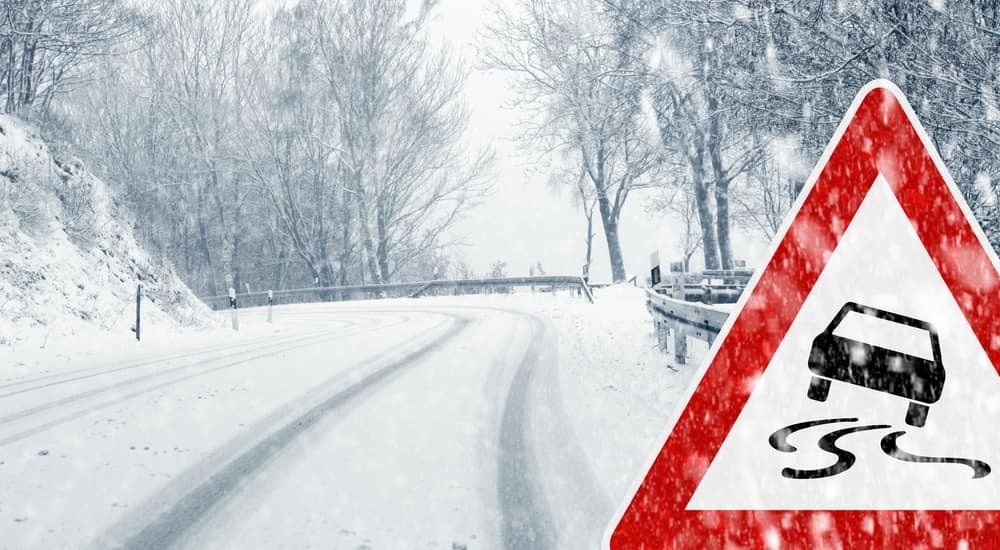
Good maneuvering and control skills are essential in poor weather. The job of a trucker becomes increasingly challenging when handling a tractor-trailer and a load in foul winter weather. Knowledge and implementation of proper, preventative safety skills for driving in poor conditions can truly separate the professional truck drivers from the rest of the pack.
How can truck drivers prepare before driving in winter weather?
- Be aware of weather forecasts prior to your trip. If you don’t feel comfortable driving, DON’T – always use good, solid judgment.
- Plan alternate routes in case of road closures or accidents.
- Rest and fuel up before bad weather hits to avoid further delays.
What should truck drivers pack in a winter emergency kit?
A well-stocked emergency kit can keep you safe if you’re stranded or delayed.
Include:
- A flashlight and extra batteries
- Gloves, hat, and extra clothing layers
- Sand, cat litter, or salt for traction
- A blanket or sleeping bag
- Jumper cables
- First Aid kit
- An ice scraper and snow brush
- A cell phone and charger
- Food and water
How should truck drivers inspect their trucks before a winter trip?
A complete pre-trip inspection is essential in cold weather. Be sure to do the following:
- Clean snow and ice from your vehicle, especially the mirrors, windows, and lights. In several states, there are laws prohibiting snow and ice on vehicles and fines to drivers who do not clear their vehicles prior to driving.
- Be sure your wipers, heater, and defrosters are working properly.
- Top off fluids, especially the windshield washer, and make sure you have enough fuel.
- Check tire pressure frequently; cold weather can lower PSI.
- Make sure the weight of your load is evenly distributed and secured to maintain control.
How can I drive safely on snow and ice?
- Increase your stop time. Make sure you increase your following distance to a safe space and, when possible, leave room between your vehicle and objects/vehicles beside you.
- Don’t stop on the shoulder of the road. If you do need to get off the road due to poor driving conditions, like blinding snow, remember not to stop on the shoulder of the road. In low-visibility situations, other drivers might mistake your vehicle for being on the road.
- Slow down. Speed decreases your traction. Be sure to slow down – the slower you drive, the more time you have to react. Remember: The legal speed limit is often too fast for snow/ice-covered roads.
- Pump your brakes gently. Brake and accelerate slowly; never slam on your brakes, pump them! Do not use your Jake Brake on icy roads – it can cause skidding.
What areas of the road are most dangerous in winter?
- Bridges and overpasses are the first to freeze. Be cautious!
- Exit ramps can have sharp turns. Take them very slowly.
- Intersections. Give yourself plenty of time to brake for stop signs and red lights.
- Tire tracks of other vehicles. Packed snow is more likely to cause your wheels to spin.
- Other drivers. Winter conditions mean increased unpredictability of other drivers on the road, which can cause accidents.
How to recognize black ice while driving?
Black ice is nearly invisible but very slippery. Look for these signs:
- When the spray from the tires of vehicles ahead suddenly stops, that indicates an ice patch.
- When the road only looks wet, but signs and trees have ice or frost on them. That means the “wet road” is most likely black ice.
If you find yourself driving on ice:
- Don’t panic.
- Ease off the accelerator and steer gently in the direction you want to go
- Avoid braking hard. Slowly press on the brake until you regain traction. Do not slam them on.
Why is winter safety so important for professional truck drivers?
Practicing winter safety protects not only you and your load, but also other drivers on the road. Professional truck drivers who follow best practices set themselves apart.
At Fundamental Labor Strategies, we match professional CDL drivers with reliable companies that prioritize safety in every season.