
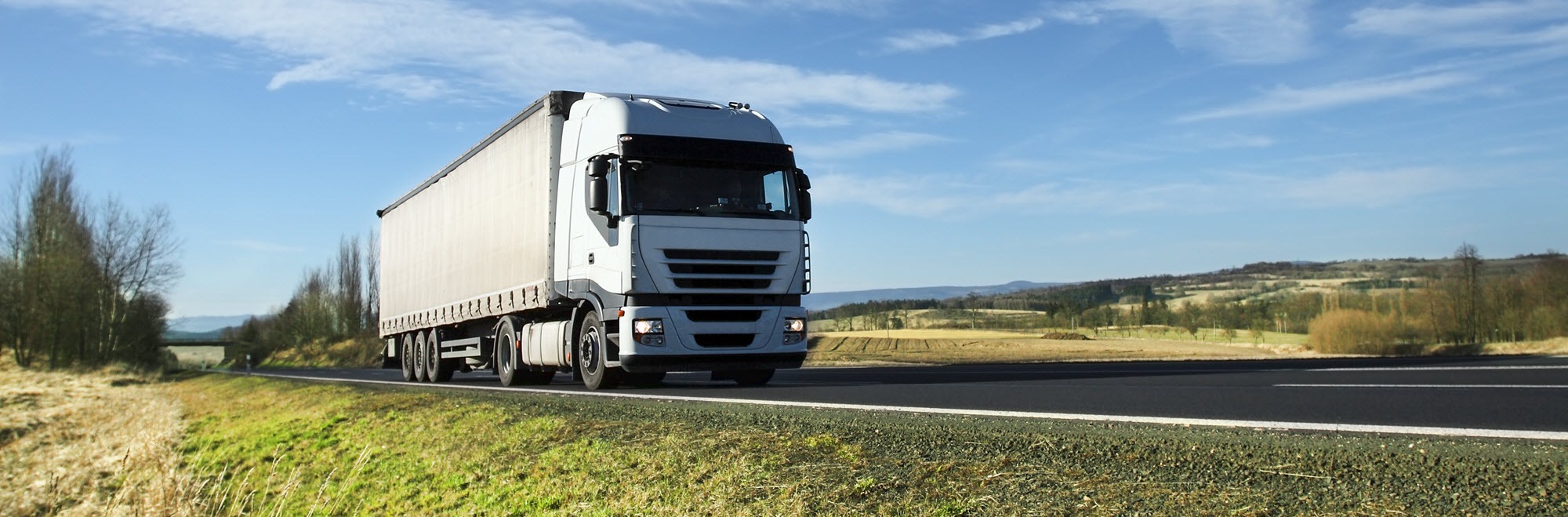
Spring Truck Driving Safety Tips
Although spring weather is typically less dangerous than winter, there are still hazards that can occur. It’s important to pay attention to the weather and be aware of your surroundings at all times. Spring brings rainstorms, heavy winds, flooding, wildlife activity, rapidly changing temperatures, and increased construction that all create unpredictable road conditions for commercial truck drivers.
Here are some driving safety tips to remember this spring:
Conduct a thorough pre-trip inspection of your vehicle.
Pay careful attention to tires, brakes, turn signals, and windshield wipers. Remove all moisture from windows and mirrors before operating your vehicle. Confirm your air lines and trailer connections are fully secure, as moisture buildup is more common in rainy or humid months. Ensure that you have sufficient fuel for your entire run.
Prepare for the rainy spring weather.
According to the Federal Motor Carrier Safety Administration, adverse weather conditions contribute to nearly 20% of all large truck crashes in the U.S., and a large share of those involve rain and wet pavement. Wet roads can become slippery and reduce a vehicle’s handling, increasing the distance it takes to stop. The splashing water from puddles can affect your brakes, cause your truck to swerve, and impair the vision of other motorists. Large puddles and flooding can also limit your tire traction, which may cause your vehicle to hydroplane. Avoid standing water whenever possible and keep your headlights on in heavy rain to improve visibility for yourself and others.
Prepare for rapidly changing weather conditions.
Temperatures can change significantly from hour-to-hour and day-to-day. Rain can quickly change to snow, and water can become black ice or ice, especially in shaded areas, on bridges, and on overpasses. Monitor weather forecasts before the start of, and during your workday.
Remember: Check your tire pressure. Rapid temperature changes during the springtime can lead to under-inflation or blowouts, so checking tire pressure is especially important.
Never drive faster than conditions allow.
Reduce your speed whenever possible to increase your traction, particularly in rainy, foggy, or windy conditions. Maintain a safe following distance behind the traffic ahead of you, particularly during bad weather. Brake gently to avoid sliding, skidding, and hydroplaning. Do not slam on the brakes.
Slow down in windy conditions.
Windstorms and gusts of wind are particularly common in the springtime. Tractor-trailers are particularly difficult to control in extremely windy conditions, so it is important to slow down your vehicle as much as possible, or pull your vehicle over to the side if the wind becomes too much. Trailers and high-profile vehicles are especially vulnerable when empty or lightly loaded.
Avoid puddles.
Puddles can put you at risk for hydroplaning and hide hazards underneath, like potholes. Avoid them when possible. If you have to drive through one, proceed slowly and leave plenty of following distance.
Watch out for potholes.
Springtime is when potholes become a serious road hazard. Between plowing, salting, harsh weather, and fluctuations in temperature, potholes can grow pretty large. The best you can do is to avoid them at all costs until they are fixed.
Respect work zones.
Springtime means construction crews will be out to fix winter wear and tear on the roads. Obey posted speed limits in work zones, pay attention to signs and flagger instructions, and take your time. Leave enough space so you can react to anything unexpected, such as construction vehicles, lane shifts, or other drivers entering your lane suddenly.
Keep an eye out for pedestrians and cyclists. Pedestrians and cyclists may be less alert to traffic in the rain and fog, making it more difficult for you to see. Make sure to share the road with walkers and cyclists, and keep an eye out for motorcycles when merging, passing, turning, and approaching intersections.
Be aware of wildlife.
Animals are more active in the spring than in winter. While some animals may be coming out of hibernation, others are entering mating season. Pay special attention around dawn and dusk, and slow down to a speed where you can stop safely if needed.
Dress appropriately for spring weather.
Be sure to dress in layers to prepare against a drop in temperature, rain, and windstorms. Waterproof boots with non-slip soles help in wet and slippery conditions. Pack rain gear, high-visibility outerwear, and an extra set of dry clothes. Also, remember to pack sunglasses for longer daylight hours.
Follow these spring truck driving tips to help keep you driving safely all season long. And remember, you are a moving billboard when you drive for a company! Please remain courteous and professional at all times. Staying proactive during the spring transition helps prevent accidents, protects you and your vehicle, and ensures every load arrives safely.